Suitcase Sparring: How ITF Athletes Keep the Rhythm Alive Through Holiday Travel
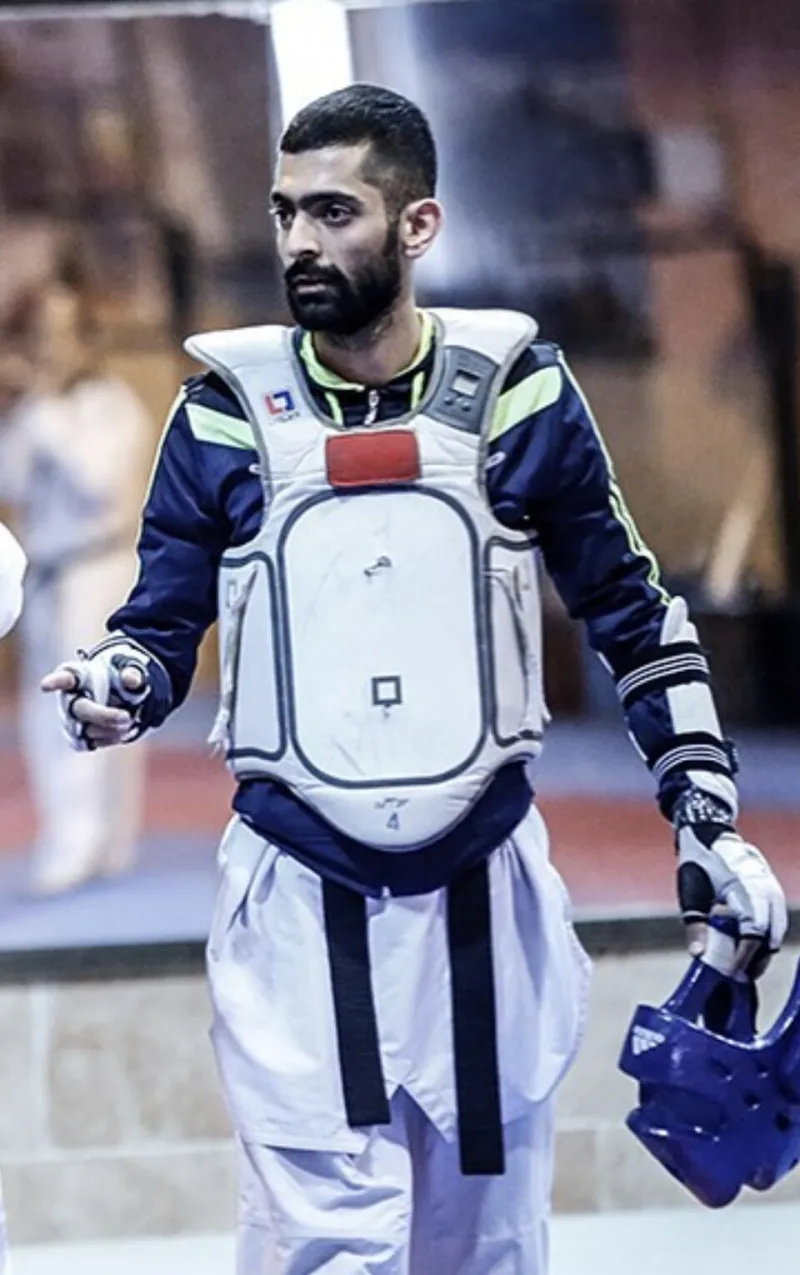
Photo: Diako7169, CC BY-SA 4.0, via Wikimedia Commons
Thanksgiving is here, December is close behind it, and your training week is probably already looking less like a dojang schedule and more like a series of airport gates, relatives' driveways, and hotel hallways. That does not mean your ITF training has to disappear until January. It means the job changes for a few weeks.
This is not a plan for coming home stronger. It is a plan for coming home connected—patterns still sharp enough to remember, sparring footwork still responsive, and conditioning not starting from zero. Maintenance over intensity. Rhythm over heroics.
Maintenance Is a Skill, Not a Compromise
Most athletes treat travel weeks as either a full training camp or a total write-off. Both are Usually wrong. You are not going to add a new pattern in a hotel room with a carpeted floor and a suitcase in the corner. You are also not going to lose your base in ten days unless you spend those ten days completely still.
The target is three short sessions across the week. Fifteen to twenty-five minutes each. No gear beyond what fits in a carry-on, no partner required, and no guilt if one session gets eaten by a delayed flight. The point is to keep the wiring intact so the first class back feels like a continuation, not a reintroduction.
The Three-Session Skeleton
Think of these as placeholders, not workouts. Each one has a specific job.
Session 1: Patterns at Talking Pace
Find a hotel room, a relative's garage, or a clear patch of basement floor. Pick two patterns you already know—one lower-belt pattern for mechanics, one current pattern for recall. Run them slowly enough that you could hold a conversation. That is the pace.
Use the slow speed to check the things that disappear first when you are rushed: stance width, sine wave timing, eye line, and the pause between movements. Do not worry about power. Power is a byproduct of correct repetition, and you are here to repeat correctly. Ten to fifteen minutes is enough. If the floor is slick or the ceiling is low, skip jumps and keep the movements controlled.
Session 2: Footwork in a Parking Lot
This is the one that saves your sparring. You do not need a ring. You need a flat surface and about four parking spaces. Use the painted lines as your grid.
Start in sparring stance. Step in, step out, switch, pivot. Keep your hands up—yes, even in the parking lot. Then add three one-minute rounds of shadow sparring at about seventy percent speed. Focus on the first step and the recovery step, not on throwing every kick in your arsenal. The goal is to remind your feet what a live stance feels like so they do not go fully dormant over the holidays.
If it is too cold or wet, a long hotel hallway works. Be respectful of other guests, keep it quiet, and skip anything that sounds like a drum solo through the floorboards.
Session 3: Conditioning That Travels
No equipment, no problem. A simple circuit: squats, push-ups, split squats, plank, calf raises. Two or three rounds, controlled tempo. If your hotel has stairs, walk them for five minutes. If your relative's house has a hill, walk that instead.
The purpose here is blood flow and joint health, not a personal record. You are keeping the engine warm, not rebuilding it. Stop while you still feel good. Travel training goes sideways when you treat a hotel room like a strength lab and then spend the next two days sore in a car.
Pack the Small Stuff, Skip the Rest
You do not need a kicking shield, a Rebreakable board, or your full competition bag. A resistance band, a jump rope if the ceiling allows it, and a small notebook are plenty. The notebook matters more than people think. Write down which patterns you ran and how the footwork felt. When you get back to the dojang, you will know exactly where to start instead of guessing.
If you are flying, put the band in your checked bag or follow the airline's carry-on rules. If you are driving, keep a pair of training shoes in the trunk so a parking-lot session does not depend on finding the right footwear at your destination.
The Return: Do Not Cram a Lost Week
The first class back is where holiday training plans usually fail. Athletes come home, feel behind, and try to make up for ten days in one session. That is how you get a tweaked hamstring and a bad attitude.
Ease in. Warm up longer than usual. Run your patterns at about seventy percent effort. Skip hard sparring on the first night back unless your instructor says otherwise. Tell your coach what you kept up with and what you dropped. A good instructor would rather hear the truth than watch you pretend you did hill sprints in a hotel lobby.
For Orion's Belt athletes, the same rule applies whether you are returning to your home dojang or jumping into a team session: show up early, hydrate, and let the first week be a bridge rather than a test. Your rhythm will come back faster if you do not punish yourself for the gap.
The Ten-Minute Ask
If you are traveling with family, do not hide your training and do not turn it into a standoff. Ask for twenty minutes at a specific time. Say what you are doing and when you will be done. Most relatives will happily watch a movie while you run patterns in the garage. The athletes who struggle are usually the ones who either disappear without explanation or try to sneak in a full session during dinner.
Holiday travel is not a training camp. It is a test of whether you can keep a small promise to yourself. Three short sessions, a flat surface, and a little honesty about what maintenance actually looks like. That is enough to come back with your patterns still talking to your footwork—and your first class back feeling like a homecoming instead of a cold start.