Before the First Medal: Five Readiness Signals for an ITF School Building a Tournament Team
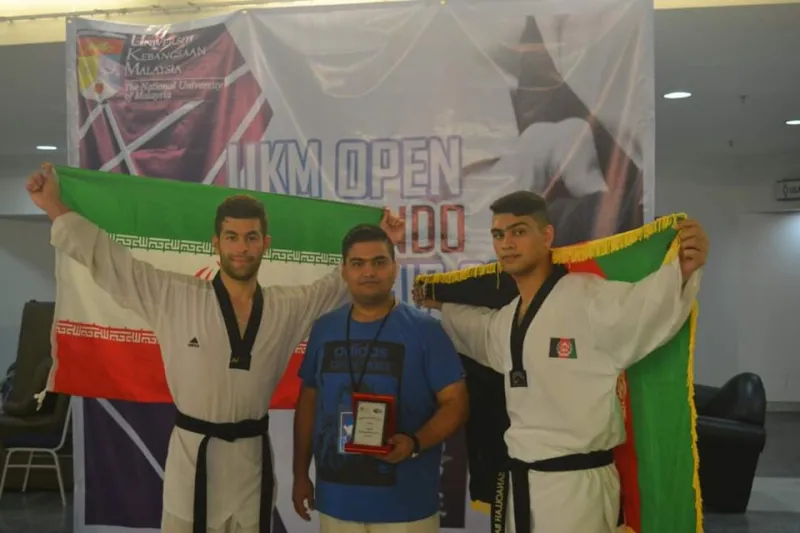
Photo: Fahimullah baraki, CC0, via Wikimedia Commons
Every school owner who has taken a first tournament team remembers the same mix of excitement and logistics. The registration deadline. The van schedule. The parent who asks whether snacks are covered. The athlete who is not sure they are ready. At Orion's Belt Taekwondo, we have learned that the best first tournament is not the one with the biggest medal haul. It is the one athletes want to repeat.
If your ITF school is considering a team for the 2026 season, use this five-signal readiness test. It is not a certification. It is a practical way to decide whether your school is ready to give athletes a good experience.
1. Sparring Safety Culture Is Boring and Consistent
A safe sparring culture is not a poster on the wall. It is the way students warm up, put on gear, make contact, and stop when the coach says stop. In a ready school, safety rules are boring because everyone follows them every week.
Look for athletes who can spar with control at different levels. Look for a coach who corrects reckless contact before it becomes a habit. Look for parents who understand that a tournament is not a license to ignore the dojang rules. If safety depends on one coach being in a good mood, the school is not ready.
A simple test: run a mock sparring round with tournament rules and a referee. If students cannot self-regulate or reset after a point, they need more practice before a real event.
2. Pattern Proficiency Runs Across the Team
A tournament team does not need a roster full of national champions. It does need athletes who can perform their rank-appropriate patterns with basic consistency under pressure. That means correct stances, recognizable techniques, and the ability to finish without freezing.
Watch a normal class, not just a showcase. Can your color belts complete their patterns without following the person in front? Do they know where to turn? Can they reset after a mistake? Those skills matter more than a perfect score in the dojang.
If only the black belts look comfortable, your team is not ready. Build a mock pattern round with judges and spectators. The athletes will learn more from that than from another week of guessing.
3. Parent Volunteer Capacity Is Real, Not Assumed
First tournaments run on parent power. Chaperones, carpool drivers, gear checkers, snack organizers, and someone who can keep the group chat from becoming a second job. A ready school has named roles and clear expectations.
Do not assume the same three parents will do everything. Ask for volunteers early. Write down what each role covers. Make sure at least one parent knows the schedule, the meeting point, and the emergency contact plan. If your school cannot cover basic supervision without burning out one family, wait or start smaller.
This is not about having a huge team. It is about having enough support for the athletes you bring.
4. Travel Logistics Fit the Team You Have
A first tournament should match the experience level of your group. A local or regional event within driving distance is usually a better first step than a long trip with early weigh-ins and complicated schedules. Check registration deadlines, uniform and gear requirements, and the actual cost per family.
Make a simple logistics sheet: departure time, meeting location, event address, parking, food plan, and return time. Share it with parents before they commit. If the plan is still a collection of maybes, the school is not ready to register.
A ready school also has a backup plan. Extra gear. A first aid kit. A coach who knows where the team is at all times. Boring logistics protect the athlete experience.
5. Athlete Experience Is the Scoreboard You Control
Medals are not a readiness signal. They are a result. The signal is whether your school can define success in ways athletes can control: competing with composure, supporting teammates, learning from a loss, and finishing the day with a plan for next time.
Before you register, ask your coaches what they will say after a first-round loss. Ask what they will say after a win. If the only answer is a medal count, the team is not ready for the emotional side of competition.
At Orion's Belt, we use a three-star check: effort, composure, and team. Those are the things athletes can bring to every event, no matter what the scoreboard says.
How to Use the Test
Score each signal from one to five. A low score is not a verdict. It is a to-do list. If safety and logistics are strong but pattern proficiency is uneven, spend a few weeks on mock rounds. If parent support is thin, recruit helpers before booking travel.
Most schools do not need a perfect score. They need an honest one. A first tournament team should be built to create athletes who want to keep training, not just a weekend photo with medals.
The First Team Sets the Tone
The first tournament team teaches a school how it travels, coaches, and recovers. Get the experience right, and the medals can follow. Rush the experience, and the school may spend years repairing trust. Use the five signals, start local, and give your athletes a first tournament they can be proud of.