What the Scoreboard Doesn't Show: Three Orion's Belt Athletes on Losing, Learning, and Coming Back

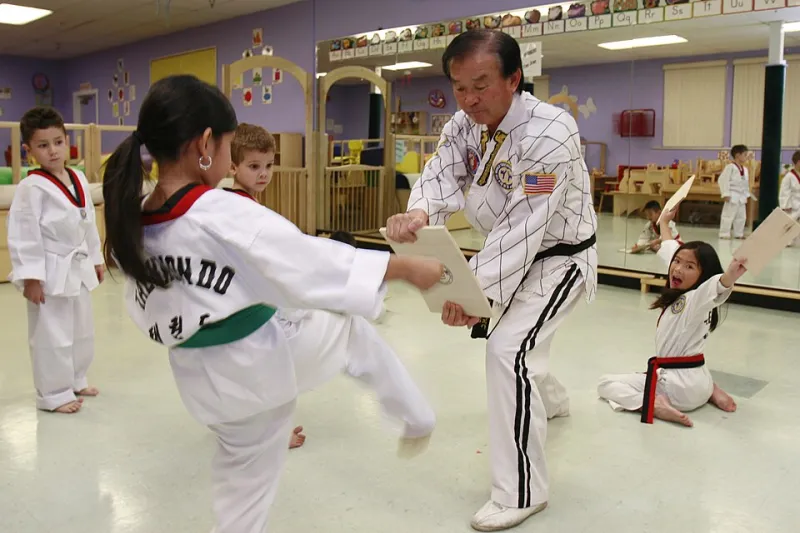
Photo: TaekwondoGuy, CC BY 4.0, via Wikimedia Commons
Losing is part of competition, but most tournament coverage skips it. We asked three Team Orion's Belt athletes to walk through a loss that changed how they train. Their stories are not about silver linings. They are about specific adjustments, uncomfortable film review, and the drills that followed.
Maya Chen: The Match She Replayed
Maya Chen, a junior competitor, still remembers a regional tournament this year where she lost in the second round. Her warm-up was rushed. She drank too much caffeine, watched her opponent's previous match, and started the first round already tense. In the ring, she kept chasing a taller opponent who used side steps and front-leg checks to control distance. Maya said she felt fast but not effective.
After the match, her coach did not offer a pep talk. They watched video and counted how many times she entered without a setup. The number was uncomfortable. Her next training block focused on footwork entries, feints, and a simple pre-match routine: arrive early, warm up away from the crowd, and use three slow breaths before the first exchange. She also added 10 minutes of cone work after class twice a week.
Darius Holt: When Conditioning Was Not the Problem
Darius Holt, an adult color belt, lost an overtime sparring match at a team event this year. He assumed his gas tank was the issue. The film showed something different: he was wasting energy with extra bounces and wide steps. He was busy, but not efficient.
His coach rebuilt his sparring rounds around pacing. Darius did 30-second shadow rounds with a resistance band, then 30 seconds of rest, repeating for five sets. He practiced holding center while a partner circled, and he learned to reset his stance instead of drifting. The change was small but physical. In his next event, he lasted longer and made better decisions. He said he stopped treating every second like a sprint.
Sofia Ramirez: The Pattern That Fell Apart
Sofia Ramirez, a youth pattern competitor, lost a medal match in patterns this year. Under the lights, she rushed the first movement and spent the rest of the pattern trying to catch the rhythm. She knew the pattern. She did not trust it.
Her reflection started with a notebook. She wrote down where her timing changed and what she heard in the ring. Then she practiced the pattern in four chunks with a deliberate pause between each. Her coach filmed from two angles. She added mental rehearsal before bed, walking through the pattern in real time. Her reset cue became simple: exhale, find the first stance, begin.
What the Three Losses Have in Common
None of the athletes described fixing the loss with a vague promise to try harder. They found a specific leak: distance control, wasted motion, or rushed timing. They also built a pre-match plan and a post-match review. Parents can help by asking what the athlete learned, not what the score was. Coaches can help by turning video into one or two next actions.
That process matters because tournament days are loud. There are brackets, warm-up areas, coaches, spectators, and clock pressure. Athletes who have a routine for nerves and a plan for review can leave a loss with something concrete. The scoreboard records the result. The review decides what happens next.
The Next Tournament Starts After the Loss
A loss column is not a verdict. For these athletes, it became a training plan. Maya now warms up with a timer and a short checklist. Darius tracks pacing in every sparring round. Sofia keeps her notebook in her gear bag. The next event will bring new nerves and new problems, but they have a process for the morning after. That process is quieter than a podium photo, and often more useful.