The Long Game: A Month-by-Month ITF Training Calendar for Families With Full Schedules
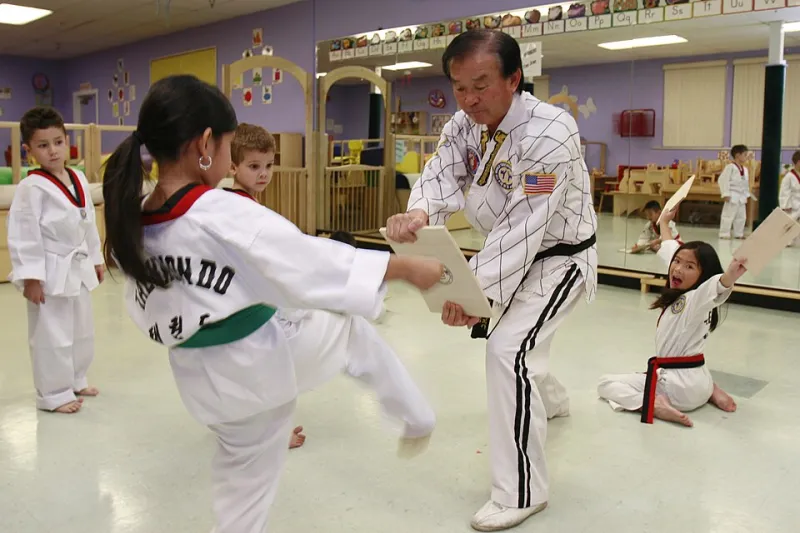
Photo: Lance Cpl. Frederick J. Coleman, Public domain, via Wikimedia Commons
Most taekwondo families do not walk away because they stop caring. They walk away because Tuesday practice collides with a school concert, Saturday sparring lands on a travel weekend, and the calendar starts winning. At Orion's Belt Taekwondo, we see the same pattern in beginners and seasoned competitors: sporadic bursts of training followed by long gaps. The fix is not more intensity. It is a plan that bends with real life.
Why a Year Beats a Cram Session
A 12-month map gives families permission to train in seasons. You still attend regular classes, but you also know when to push, when to protect recovery, and when to peak for a tournament. Think of it as a constellation: each month is a star, and the shape only appears when you connect them over time.
Set Three Anchors First
Before the month-by-month plan, choose three anchors: one weekly class your family treats as non-negotiable, one 15-minute home session that can happen in a living room or driveway, and one monthly check-in where athletes and parents ask what is working. Keep the anchors small enough to survive a busy week. Consistency is the point, not perfection.
January and February: Fundamentals and Routine
Start the year with basics: stances, chambering, footwork, and clean technique. Snow days and school schedules can wreck momentum, so make home practice short and repeatable. Ten minutes of front kick mechanics, guarded stance switches, and pattern segments beats a 90-minute weekend catch-up session. The star theme here is foundation.
March and April: Patterns and Precision
Once the routine holds, add pattern polish. Break each pattern into four chunks and practice one chunk per week. Use a mirror or phone video to check lines, timing, and balance. Families can quiz each other on pattern meanings and step-by-step movements. This is also a good window for a local tournament or demo if athletes want a low-pressure test.
May and June: Sparring Endurance and Footwork
Spring is for building the engine. Add short footwork rounds, interval bag work, and controlled sparring drills. Keep sessions playful: cone races, reaction drills, and partner shadow work. The goal is not to win every round in class. It is to stay calm when the pace rises. Watch for heat as summer approaches and adjust hydration and rest.
July and August: Travel, Heat, and Tournament Readiness
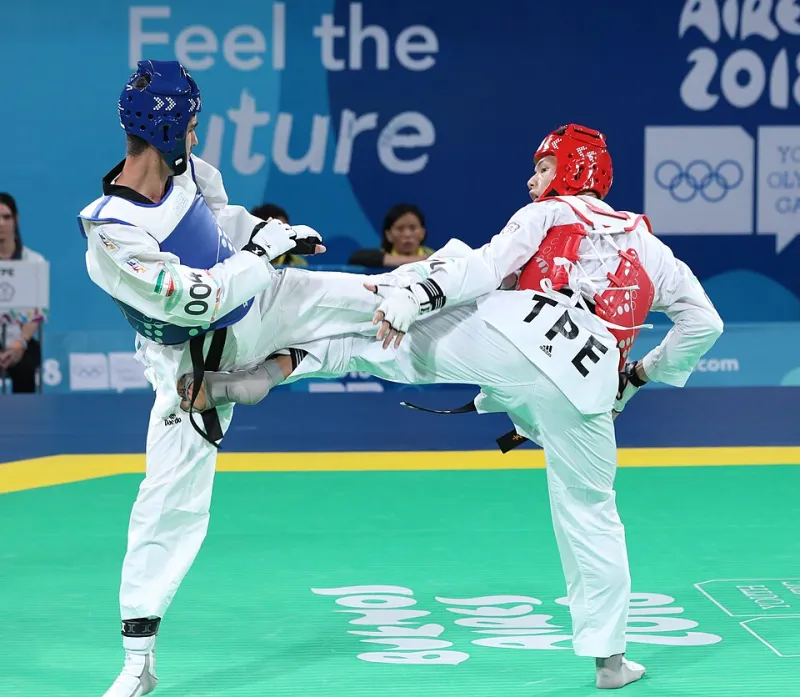
Summer schedules scatter. Some families travel; some athletes attend camps. Use these months for tournament preparation if an event is on the calendar: practice ring positioning, referee commands, and pacing. If there is no event, focus on flexibility, strength, and skill variety. Keep outdoor work early in the morning during US heat waves, and treat vacation as recovery rather than a training debt.
September and October: Fall Reset and Power
Back-to-school season is a natural reset. Recheck goals, sharpen power, and add controlled strength work. This is a good time to schedule a team seminar or a higher-level class. Athletes can choose one technical detail to improve for eight weeks, such as pivot on turning kicks or distance control in sparring. Parents can help by protecting sleep and keeping weekends realistic.
November and December: Taper, Recover, Celebrate
Late fall often brings tournaments or belt tests. If an athlete is peaking, reduce volume and keep technique sharp. If not, use November for maintenance and December for recovery, mobility, and reflection. Celebrate progress that does not show up on a podium: better attendance, calmer nerves, a cleaner pattern, or a braver sparring round.
The Rule for Every Month
One missed week is not a lost year. The calendar exists to help families return, not to make them feel behind. Adjust the plan at the monthly check-in, keep the three anchors visible, and let the year build. That is how Orion's Belt-style consistency beats sporadic cramming.