The Half-Second After Contact: Building Second-Step IQ in ITF Sparring
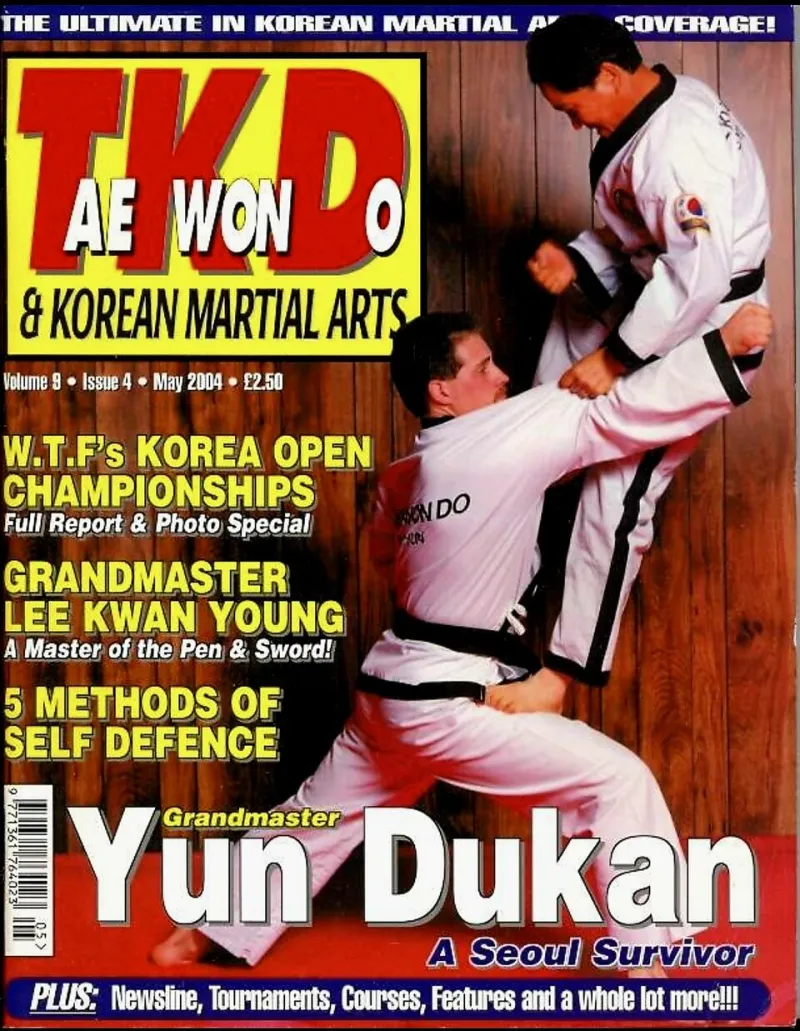
Photo: Taekwondo & Korean Martial Arts Magazine, CC BY 4.0, via Wikimedia Commons
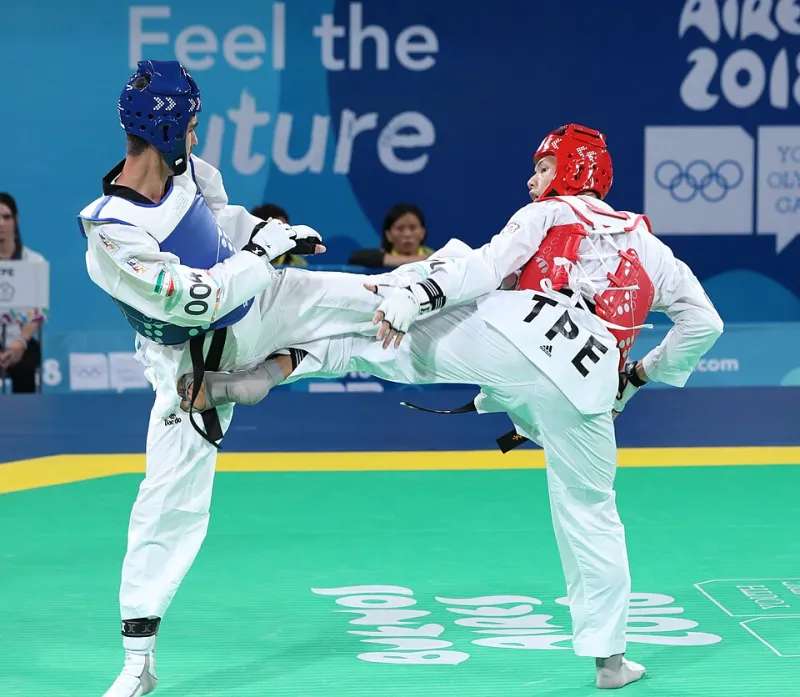
Most ITF sparring analysis stops at the first attack. The kick lands, the point is scored, and the clip ends. But watch a close exchange in real time and the decisive moment is often the half-second after contact. That is when the attacker either resets into a safe position or stands still and gets countered. It is when the defender either steps off the line or eats a second technique.
At Orion's Belt, we have started calling this the second step. It is not a specific technique. It is the habit of treating contact as the middle of the exchange, not the end.
The exchange is not over when the kick lands
A first attack creates information. It tells you where your opponent's weight is, which foot is loaded, and whether their guard stayed up. The athlete who wins the second step reads that information faster. They recover with purpose, change an angle, and arrive ready to counter or exit.
The second step includes four pieces: recovery footwork, angle change, counter-kick readiness, and ring awareness. Miss one and the first attack becomes a gift to the other athlete.
Recovery footwork: land ready, not relieved
A common habit in training is to kick, land, and relax. In sparring, that relaxed landing is a invitation. The kicking foot comes down square, the hips stay open, and the guard drops. The opponent does not need a brilliant counter. They need a simple one.
We teach athletes to land in a position they can move from. That means the kicking leg retracts rather than swings down, the support foot pivots, and the hands stay in place. The landing should feel like a ready position, not a finish line.
Angle changes: the cheapest defense
After contact, the athlete who moves straight back is easy to follow. The athlete who steps off the centerline is harder to solve. A small 45-degree step can turn a clean counter into a miss.
We practice angle changes off both the front-leg and rear-leg attack. The cue is simple: kick, land, step off the line, guard. Do not drift. Do not cross the feet. Step with intent and keep the hips under you.
Counter-kick readiness: hands and hips together
Counter-kick readiness is not just about speed. It is about position. If the hands are down, the counter never starts. If the hips are square and static, the counter is late. We want the guard up, the hips loaded, and the eyes on the opponent's center.
The second step is also where counter selection happens. A check kick, a side kick to the body, or a turning kick to the head all become available at different angles. The athlete does not need to choose the perfect counter. They need to be in a position where a simple counter can land.
Ring awareness: know your exit before you need it
A lot of second-step problems are actually boundary problems. An athlete lands after a kick, feels pressure, and steps backward into the edge of the ring. Now their footwork is compromised and their options shrink.
We use a simple boundary drill: tape a ring, spar lightly, and call out 'edge' whenever an athlete gets within one step of the line. The goal is to make athletes scan the ring after every exchange, not just when they are in trouble. Ring awareness is a habit, and it belongs in regular class.
Drills coaches can run in class
Three-second reset. Partners exchange one technique. For three seconds after contact, the attacker must recover, change an angle, and show a ready guard. The defender must track and show a counter option. Reset and repeat.
Cone angle. Place two cones at 45-degree angles behind each athlete. After every kick, the athlete must step toward one cone before the next exchange. This builds the footwork pattern without overloading the athlete with decisions.
Counter-ready pad. One athlete kicks a pad. The pad holder immediately flashes a counter target after contact. The kicker must recover and fire a counter within one beat. Keep the rounds short and the pace honest.
Boundary sparring. Use a smaller ring than usual. Athletes score only if they finish the exchange in a safe position inside the boundary. This forces ring awareness into the second step.
Call-out drill. The coach calls 'angle,' 'counter,' or 'exit' after contact. The athlete performs the called second-step action. This is a simple way to build recognition without adding complex sparring rules.
Coaching the habit
Praise the second step as much as the first attack. If an athlete lands a nice kick and then stands square, correct the landing. If they miss but recover into a perfect angle, recognize it. Video review helps here because athletes often remember the first technique and forget the half-second after it.
Second-step IQ is not a secret technique. It is a trainable habit. The athletes who develop it do not just throw more attacks. They make every exchange last long enough to win it.