Stand Still, Kick Better: How Reflection Exposes ITF Stance Habits
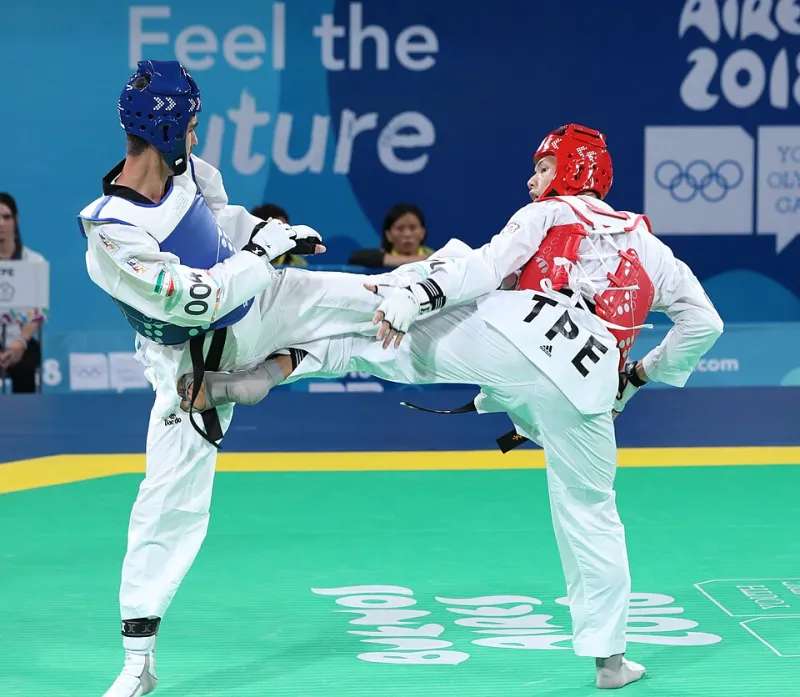
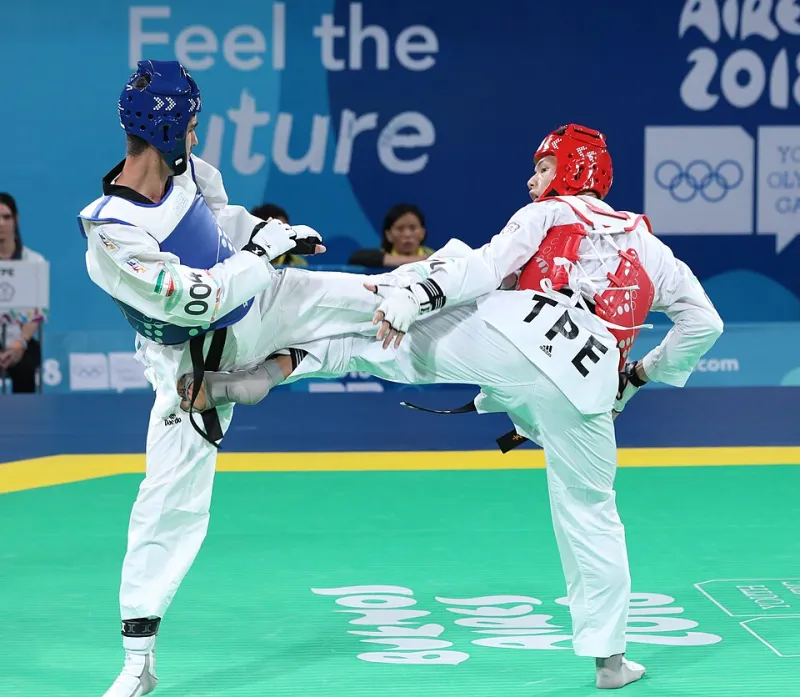
Photo: Sandro Halank, Wikimedia Commons, CC BY-SA 4.0, via Wikimedia Commons
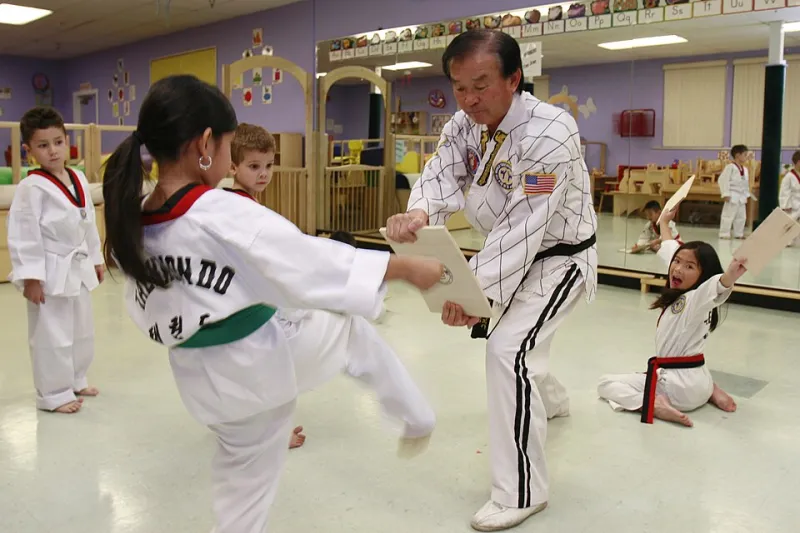
In ITF taekwondo, we love the highlight: the fast kick, the sharp pattern, the clean sparring exchange. But the habits that make those moments possible usually show up when an athlete is standing still. That is why the dojang mirror is such a useful coach. It does not care about speed or drama. It shows feet, knees, hips, and shoulders in plain view.
At Orion's Belt Taekwondo, we use mirror checks with color belts and instructors alike. Not to chase a perfect picture, but to catch the small alignment habits that shape power, balance, and injury risk. Here is how to read the reflection without turning class into a posture contest.
Why the Mirror Matters More Than the Highlight Reel
Motion hides drift. A student can throw a decent front kick while their back heel is up, their hips are twisted, and their front knee is caving inward. In a video, it can look fine for a split second. In the mirror, held for five seconds, those habits are obvious.
The mirror is not about vanity. It is a feedback tool. Use it before patterns, between sparring rounds, and during slow stance work. Two minutes of still checking can save months of quiet compensation.
Walking Stance: The Power Line You Can See
Walking stance is often the first stance students learn, which is exactly why it deserves a second look. In the mirror, check that the front knee tracks over the middle of the foot, not inside it. The back leg should be straight enough to support the forward drive, and both heels should stay connected to the floor unless the technique says otherwise.
A simple self-check: stand in walking stance and look at your hips and shoulders. Are they square to the front, or is one side sneaking ahead? A small twist here can turn a strong punch into a push. If the front knee collapses inward, the ankle and knee take the load that the hip should be carrying.
Wall drill: face the mirror with your back heel against the baseboard. Step into walking stance and hold for ten slow breaths. Watch the front knee. If it wanders, shorten the stance until you can control it. Power starts with a line you can repeat.
Sitting Stance: Width Without Wobble
Sitting stance looks simple from the outside: feet wide, knees bent, weight even. In the mirror, the common habits are easy to spot. Knees fall inward. The chest leans forward. One hip rides higher than the other. The athlete looks strong for a second, then starts fighting the floor.
Check your knees against your toes. They do not need to be perfectly still, but they should not cave toward each other. Keep the torso tall without locking the lower back. A good test is to see whether you can breathe slowly without shifting your feet.
Wall drill: place your back against a wall and slide down into a shallow sitting stance. Hold for fifteen seconds. Step away and return to the same shape in front of the mirror. The wall gives you a reference for an upright torso; the mirror tells you whether you kept it.
L-Stance: The Quiet Test of Hip Control
L-stance is where many students discover that balance is a skill, not a personality trait. The mirror shows the back knee, the front foot angle, and the hips all at once. A common habit is to let the back knee drift inward while the front foot turns out too far. The stance looks wide, but the control is narrow.
Check that the back knee points in the same general direction as the back foot. Keep the front knee soft and ready, not locked. Look at your belt line: are your hips level, or is one side hiking up? A level belt line is not a guarantee of good technique, but a tilted one is a clue.
Wall drill: stand beside a wall and rest your fingertips on it for balance. Shift slowly into L-stance and back out, five times per side. The wall removes the fear of falling. The mirror shows whether you are actually controlling the shift or just leaning on the wall.
Fixed Stance: Balance Under Pressure
Fixed stance asks for even weight and a stable base while the upper body does work. In reflection, watch for the lean. Students often push their chest forward to feel powerful, which throws the hips back and loads the knees. Others sit too low without the ankle mobility to support it.
Check both knees over their respective feet. Keep the hips underneath the ribs. If your reflection shows a straight line from ear to shoulder to hip, you are close. If the line breaks at the waist, reset.
Wall drill: face the mirror and place one hand on a wall at shoulder height. Hold fixed stance for twenty seconds, then switch sides. The hand is only a light reference. If you are gripping the wall, the stance is not yet doing its job.
The Five-Second Alignment Scan
Before a pattern or sparring round, run a quick scan in the mirror:
- Feet: Are both heels down and both feet turned where they should be?
- Knees: Do they track over the toes without caving?
- Hips: Is the belt line level and facing the right direction?
- Shoulders: Are they stacked over the hips, not ahead of them?
- Breath: Can you breathe without bracing your neck?
Five seconds is enough to catch a habit. It is not enough to fix everything, and that is fine. The goal is awareness, not perfection.
What Instructors Can Spot From the Front
From the front of the room, instructors see patterns across a whole row. One student's front knee collapses. Another leans left in every L-stance. A third holds tension in the shoulders during sitting stance. The mirror helps students see what the instructor sees, which makes corrections stick faster.
At Orion's Belt, we keep cues short: knee over toe, belt line level, breathe. We also use the three-star idea as a reminder: check your base, check your balance, check your breath. That is a lot easier to remember than a list of ten corrections.
Stillness Is a Skill
The dojang mirror is not there to make athletes self-conscious. It is there to make habits visible. A few minutes of stance checks each week can improve power, reduce unnecessary joint stress, and help color belts feel more confident in their patterns. Stand still, look closely, and let the reflection do some of the coaching.