The Crew Behind the Clean Ring: Five ITF Tournament Volunteer Jobs That Actually Move the Day
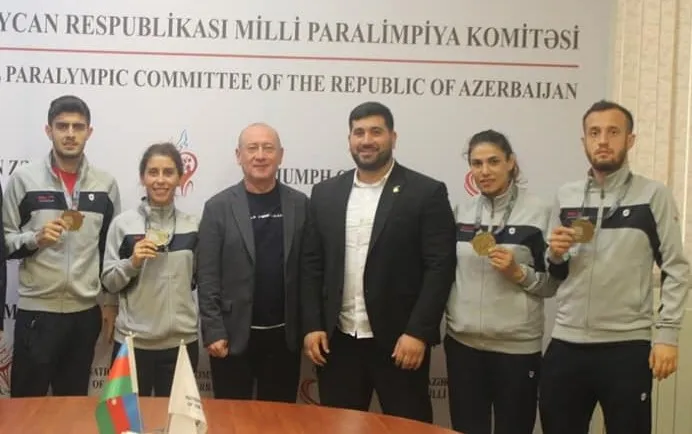
Photo: The National Paralympic Committee of Azerbaijan, CC BY-SA 4.0, via Wikimedia Commons
Walk into any US ITF inter-club tournament and your eye goes straight to the rings. Athletes bounce on their toes, coaches lean in with last-minute reminders, and the score table clicks along like a metronome. What is easy to miss is the crew making all of that possible — the folks carrying bracket sheets, checking gear straps, and refilling water cups while everyone else watches the action.
For Orion's Belt families, volunteering is not busywork. Done right, it is one of the most direct ways to help athletes compete well. Here are five roles that quietly carry an ITF tournament day, plus how to plug into one without stepping on a coach's toes.
1. Ring Runner: The Nervous System of the Gym
The ring runner is the person who knows where everyone is supposed to be and gently makes it happen. That means carrying updated brackets from the score table to the ring, tracking down the next athletes in line, and letting a coach know when their competitor is two bouts out. At a busy inter-club event, that little heads-up can be the difference between a rushed warm-up and a calm one.
This role is not about making calls or coaching. It is about movement and information. A good ring runner wears comfortable shoes, keeps a clipboard or tablet close, and learns the gym layout in the first ten minutes. If a ring is running long, the runner flags it. If an athlete has gone missing, the runner finds them. Coaches stay with their athletes instead of sprinting to the table every five minutes, and the whole floor breathes easier.
2. Warm-Up Wrangler: Keep the Engine Idling
Tournament warm-ups are a strange animal. Athletes either start too early and cool down before their bout, or they wait until the last second and show up tight. A warm-up wrangler helps solve that by running a simple, repeating cycle in the designated warm-up area: light movement, footwork, a few patterns, some dynamic stretching, and a water break. Nothing fancy. No technique corrections. Just a steady rhythm that keeps bodies ready.
This role frees coaches to do what they do best — match prep, tactical reminders, and the one-on-one conversations that settle nerves. The wrangler keeps the group moving and gives athletes a place to be instead of drifting around the gym. Think of it as crowd control with a stopwatch and a friendly voice.
3. Gear Check Captain: The Two-Minute Save
Sparring gear problems show up at the worst possible moment. A loose headgear strap, a missing mouthguard, a foot protector that will not stay put — any one of those can delay a bout or cause an unnecessary headache. The gear check captain sets up a small station near the warm-up area and gives athletes a quick once-over before they head to the ring: headgear, gloves, foot protectors, shin guards, mouthguard, and any required protective gear for the division.
This is not a rules clinic. It is a practical checkpoint. The captain keeps a small loaner bin if the host allows it, knows where the medical table is, and can spot a strap that is about to fail. Coaches do not have to play equipment manager between bouts, and athletes walk to the ring with one less thing to worry about.
4. Score Table Assistant: The Quiet Backbone
The score table is not the place for guesswork. A score table assistant supports the officials and keeps the paperwork honest: confirming athlete names and bout numbers, keeping the bracket board updated, and making sure the next matches are ready to go. This role does not make scoring decisions. It keeps the table organized so the referees and judges can focus on the ring.
At smaller inter-club tournaments, one organized assistant can save the host a dozen small delays. At larger events, the role is even more important. Coaches notice when the table is calm, because a calm table means fewer surprises when their athlete is called. If you are detail-oriented and comfortable asking polite questions, this is your job.
5. Hydration Station Lead: Water Is a Performance Tool
It sounds simple because it is. A hydration station lead sets up water, cups, and shade if available, then keeps the station stocked through the day. They refill jugs, wipe down tables, and remind athletes to drink between bouts. In a crowded gym, that little station becomes a gathering point and a quiet reset button.
This role matters most in the middle of the day, when the novelty has worn off and athletes are running on adrenaline and concession-stand snacks. A hydrated athlete is a sharper athlete. A hydration lead who keeps the station clean and stocked is doing real performance support, even if nobody puts it on a bracket.
Why This Beats Hovering Mat-Side
Parents and teammates want to help. That instinct is good. But hovering near the ring can backfire. Athletes pick up on nervous energy, coaches end up managing the sideline instead of the match, and officials have to work around extra bodies. The five roles above give willing families a real job to do — one that helps athletes without getting in their heads.
When the ring runner, warm-up wrangler, gear captain, score table assistant, and hydration lead are in place, coaches stay with their athletes, officials stay focused on the ring, and athletes get a cleaner tournament experience. That is not concessions-stand support. That is the engine room.
How to Sign Up or Build a Crew
Start by asking the tournament host what they actually need. Many US inter-club events use a simple online sign-up sheet, and some will trade volunteer hours for a reduced spectator fee or a school discount. If your school is sending a group, pick one parent or coach as the volunteer point person and build a short list of roles before the event.
Shifts of two to three hours work well. Ask volunteers to arrive fifteen minutes early for a quick briefing, wear a school shirt or a neutral color, and bring a phone charger and a snack. The most important instruction is simple: do the job, do not coach. Cheer for the athletes, keep the station stocked, and let the coaches handle the technical stuff.
If you are organizing a crew for your own school, make a one-page role sheet and send it out the week before. Name the point person for each area, share the gym layout, and remind everyone that the goal is to make the day feel smaller for the athletes. A clean ring does not happen by accident. It happens because somebody volunteered to carry the clipboard.