Small Gym, Big Draw: A 2026 Hosting Playbook for US ITF Inter-Club Tournaments
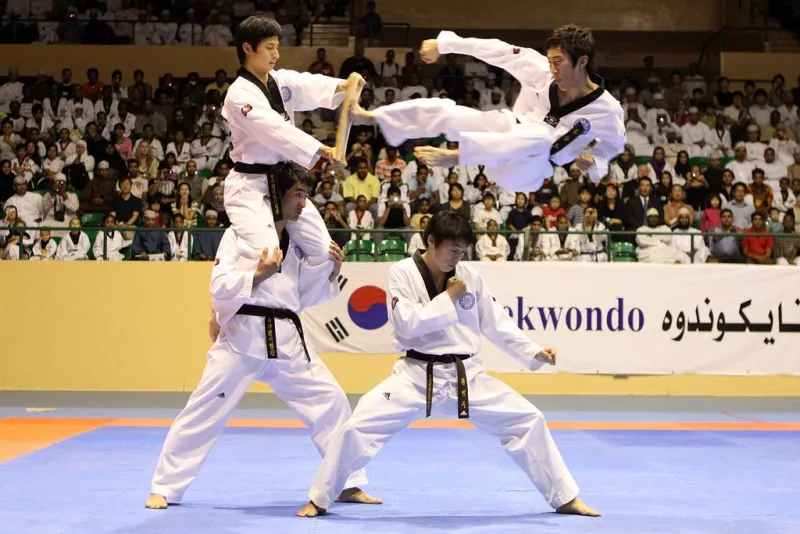
Photo: taekwondo tournament gymnasium registration desk volunteers, via www.bourellemartialarts.com
Most ITF schools do not need another mega tournament on the calendar. They need a gym full of familiar faces, a bracket that gives every athlete more than one match, and a Saturday that ends before dinner. That is the case for the inter-club event, and for hosting it well.
In 2026, with travel costs still shaping family budgets, a well-run local tournament can be the best competitive development tool a US ITF school has. It is also a lot of work. The difference between a sharp event and a chaotic one is rarely the athletes. It is the paperwork, the run sheet, and the volunteers who know where to stand.
Why the gym next door matters
A large tournament offers spectacle. A local inter-club event offers repetitions. Athletes who might get one match at a regional open can get three or four against different body types, different guards, and different coaches. Parents drive 25 minutes instead of five hours. Coaches can watch every division instead of sprinting between satellite gyms.
The competitive logic is simple: more local touches usually beat fewer expensive ones. A school that hosts two modest inter-club events a year can build a deeper team than a school that spends the same money on one travel weekend. The atmosphere also tends to stay friendlier. Rivals become training partners again on Monday.
Pick a venue that forgives mistakes
Start with a school gym, a community center, or a martial arts facility that already hosts contact sports. You want ceiling height for jumping techniques, a floor that is not slick, separate warm-up space, spectator seating, accessible parking, and a load-in door that does not require carrying mats up a staircase.
Ask about HVAC, locker rooms, and whether the facility has an AED. Confirm the floor plan before you sign anything: ring space, staging area, registration table, medical corner, and a quiet spot for officials. A cramped venue makes every other problem worse.
Paperwork before punches
Insurance and waivers are not glamorous, but they are the backbone of a defensible event. Ask your insurer what coverage applies to a hosted inter-club tournament and whether you need a separate certificate of insurance for the venue. Get the facility listed correctly, with the right dates and address.
Use a registration form that captures emergency contacts, medical notes, birth date, rank, weight, and division. For minors, make sure the waiver is signed by a parent or legal guardian. Keep a printed backup and a digital backup. Have a written emergency action plan, a first-aid station, and someone assigned to call 911 if needed. If your state requires specific concussion or injury protocols, follow them.
Referees: recruit early, feed them well
No event runs without officials. Recruit from neighboring ITF schools, your own black belts, and coaches who are not competing that day. Offer a clear stipend, lunch, coffee, and a schedule that respects their time. A referee who feels appreciated is a referee who comes back next year.
Assign ring leaders in advance. Have at least one standby official for every two rings. Send the rules packet and any local modifications to referees a week before the event. Hold a 15-minute officials meeting before the first division. Keep the jury table organized and keep coaches away from it during matches.
Bracketing that respects beginners
Small divisions are where inter-club events shine. Use round-robin brackets for divisions with three or four athletes. Use single elimination only when the bracket is large enough to justify it. Combine divisions carefully: age, weight, and rank should be close enough that nobody is walking into a mismatch.
Publish provisional brackets five to seven days out. Allow a check-in window and a scratch deadline. Have a staging volunteer who walks athletes to the ring, not a parent who guesses. Medal ceremonies should be quick, but they should not be skipped. Beginners remember the podium more than the bracket.
Volunteers with named jobs
A one-page run sheet beats a group chat every time. Name every role: registration desk, staging, ring marshal, scorekeeper, warm-up area, hospitality, floater, and medical liaison. Give each volunteer a start time, a break time, and a radio or phone contact.
Hold a 15-minute huddle before doors open. Walk the venue. Test the scoreboards. Put tape on the floor for ring boundaries. The goal is not to eliminate surprises. It is to make sure the first surprise does not stop the tournament.
A budget that does not surprise you
A realistic small-event budget might include venue rental from $500 to $2,500, insurance from $150 to $500, referee stipends of $100 to $250 each, medals at $5 to $12 per athlete, snacks and water at $200 to $400, printing and supplies at $100 to $300, and software or bracketing tools from free to $200. Add a medical standby if your venue or insurer requires it.
Registration fees of $45 to $75 per athlete are common for local events. Run the break-even math before you open registration. Count referees, medals, venue, and food first. Then decide whether a spectator fee or a small concession stand makes sense. Do not plan on profit. Plan on a repeatable event.
Make it a local rivalry, not a travel burden
The best inter-club tournaments feel like a neighborhood block party with brackets. Coaches share the floor. Parents learn the rules. Athletes get more matches and less highway. If you host it well in 2026, you are not just running a tournament. You are building the local competition your team will need for years.